By William Opio
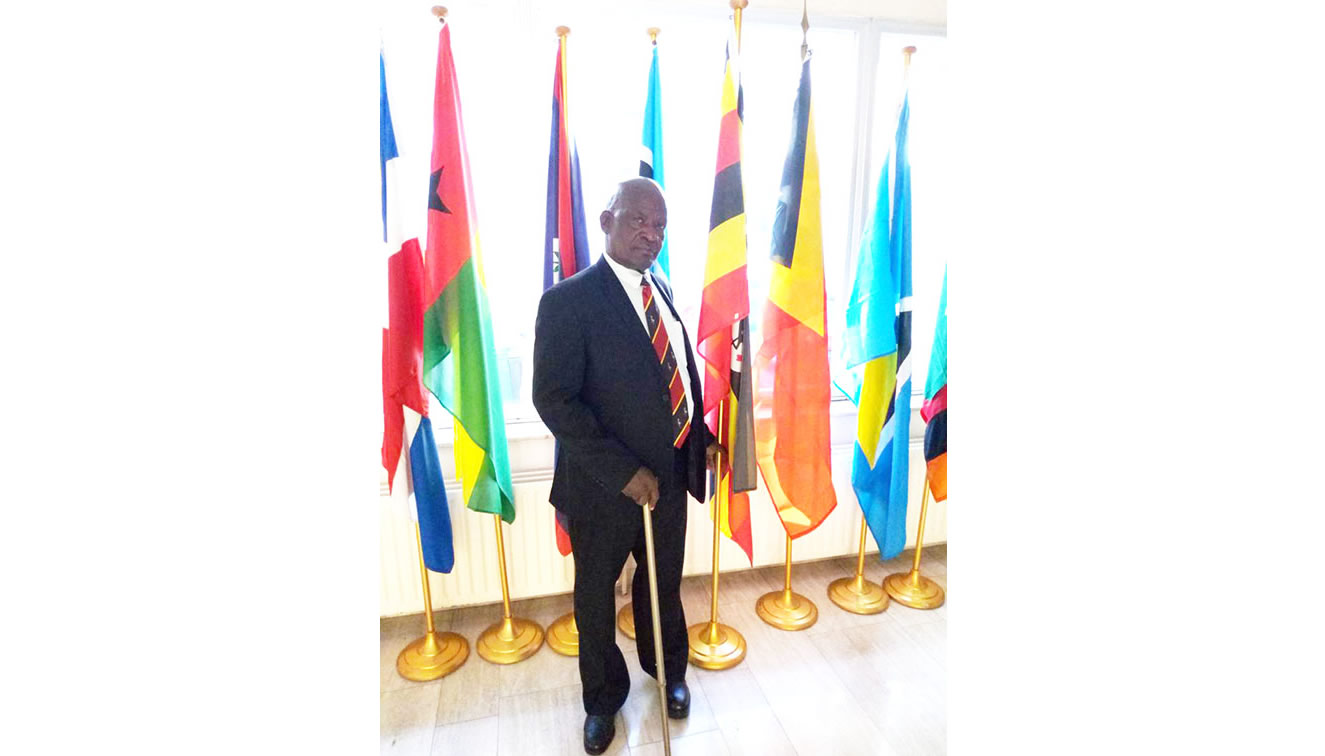
A physical disability on Wilson William Nokrach’s left leg meant that much of the time, his family would keep him away from physically-engaging activities. Though they did it out of empathy, Nokrach saw it as marginalization, something he termed “negative protection”.
Take, for instance, these: As his brothers went to tend the gardens, he was left home alone. As they learned how to ride bicycles, he was told to keep off. He quietly detested this kind of life and had to take matters into his own hands.
One afternoon, while alone at home, Nokrach got his father’s bicycle and started to teach himself how to ride. However, for these sessions, he had to tie a broom to the back of the bicycle, so it automatically sweeps away the tire marks in order not to give himself away. When his father eventually discovered what was happening, he bought Nokrach a new bicycle.
Born on September 30, 1952, Nokrach had no physical disability. Two weeks after he learned how to walk, polio struck and left his left leg with a deformity. But he paid less attention to the physical limitation that the tragedy brought, focusing more on how to scale the heights and break new barriers. Such resilience earned him success not just in school but also in the arena of leadership. Nokrach was a Member of Parliament in Uganda for three consecutive terms and his studies took him to the level of master’s degree in social work, which he earned from Uganda Christian University (UCU).
He had his secondary education at Sir Samuel Baker School, located in Gulu district in northern Uganda. His welcome to the school wasn’t as pleasant. During a welcome dance for new students, no girl danced with him. That hurt him so much that he returned home and refused to go back to the school. It had to take the intervention of one of the teachers to restore his confidence. Indeed, when Nokrach returned to the school, he topped one of the tests that the class was given, something that earned him respect among his classmates.
After completing secondary school in 1972, he trained as a teacher, later qualifying as a tutor. In Uganda, a tutor is a teacher who trains teachers. Nokrach later became a head teacher and during his reign, his school, Layibi Central Primary School in Gulu, excelled in music competitions at the national level.
In 1987, he became the founding leader and later vice chairperson of the National Union of Disabled Persons of Uganda (NUDIPU), serving until 2006. The organization mobilized persons with disabilities across Uganda, challenging stigmatization, harmful cultural beliefs and advocating equal rights. Through sustained lobbying, disability-inclusive language was embedded in the 1995 Constitution of Uganda, and five parliamentary seats were secured for persons with disabilities. Representation expanded to local governments and public university councils, marking a turning point for disability rights in Uganda.
Nokrach later worked in northern Uganda with the Association of Volunteers for the International Service (AVSI), a non-profit, non-governmental organization that focuses on development cooperation and humanitarian aid. At AVSI, Nokrach and his colleagues trained local leaders in psychosocial counseling and helped reintegrate formerly abducted children.
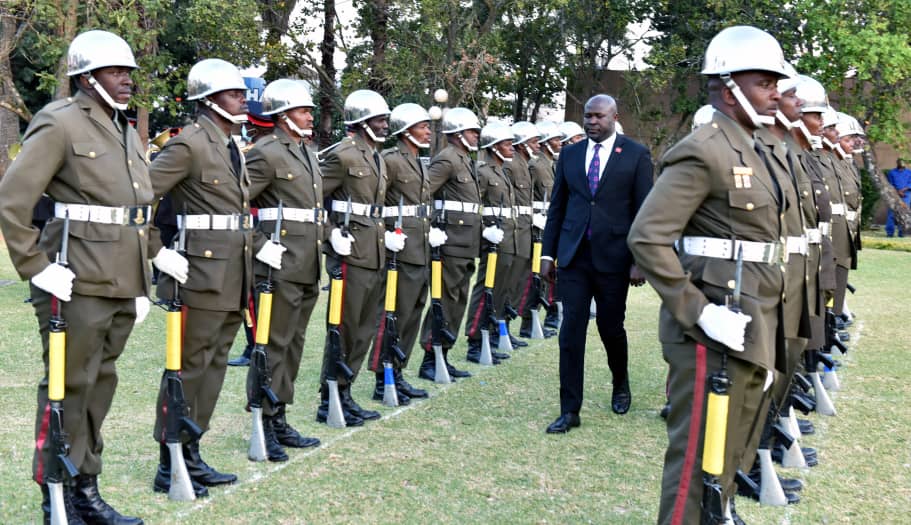
In 2006, he was elected to represent Persons with Disabilities in the Parliament of Uganda, getting re-elected for two more terms, until May 2021. While in Parliament, Nokrach rose to significant leadership positions, including chairperson of the Committee on Gender, Labor and Social Development. He also represented Uganda in international parliamentary assemblies in Brussels, Belgium.
It was while serving as Member of Parliament that Nokrach pursued higher education at UCU, where he earned a bachelor’s and, later, a master’s in social work. UCU accommodated his mobility needs, granting him access to facilities that ensured dignity and inclusion. For Nokrach, the university reinforced Christian values, respect for human rights and the belief that every student has potential worth unlocking.
After losing his parliamentary seat in the 2021 parliamentary elections in Uganda, he embraced a new chapter, supporting environmental restoration efforts in northern Uganda, his birthplace, where deforestation, driven by charcoal production, has altered once-green landscapes.
++++++++++++++++++++++++++++++++++++++++++++++++++
To support UCU programs, students, activities and services, go to www.ugandapartners.org and click on the “donate” button, or contact UCU Partners Executive Director, Mark Bartels, at m.t.bartels@ugandapartners.org.
Also, follow us on X (formerly Twitter), Instagram and Facebook.
Discover more from Uganda Partners
Subscribe to get the latest posts sent to your email.