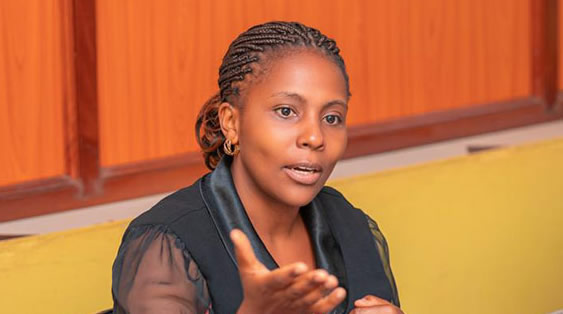
By Eriah Lule
Communicating scientific research to the general audience necessitates an essential shift from the traditional academic style of writing to a more journalistic approach. Just as is the case with journalism, the writer ought to give priority to the most interesting things first and endeavor to use non-technical language in a story-telling manner.
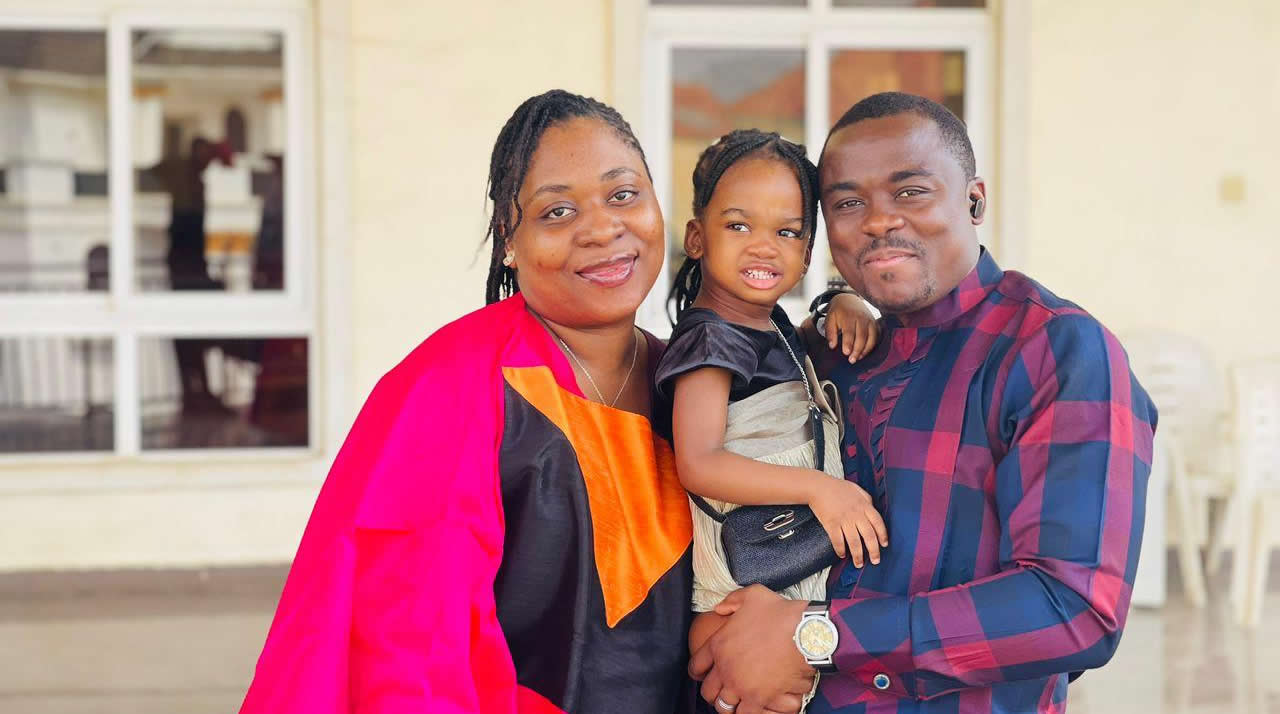
Lilian Etot Tushabe knows this too well.
In her role as the Communications and Advocacy Officer at the Center for Prevention of Trauma, Injury and Disability (TRAID), Tushabe coordinates projects, manages partnerships and ensures that the center’s research findings don’t just pile up in academic journals but provide actionable knowledge to policymakers who implement it in the communities. TRAID is a center under Uganda’s Makerere University School of Public Health.
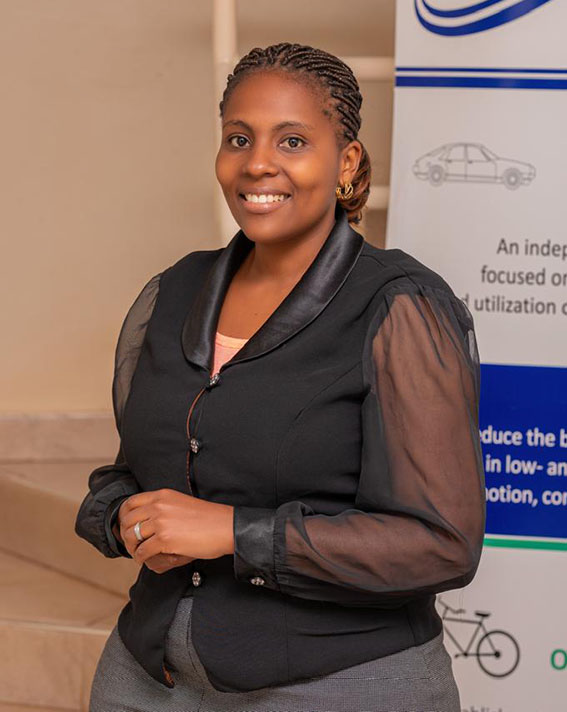
As a student at Uganda Christian University, Lilian Etot Tushabe was part of the Honours’ College.
According to her LinkedIn page, Tushabe says her objective is to make a positive contribution in her society, especially in the area of health, using her strength as a communicator. As such, her efforts are towards ensuring that TRAID translates its complex health data into clear, relatable and impactful messages through media campaigns, stakeholder engagement or public events.
“I enjoy the creative side of turning research into stories that people connect with, and inspire action,” she said, adding: “I see myself as the bridge between science and society, making sure our work creates real change.”
Such actions by Tushabe, if followed to the letter, will give her the opportunity to avoid the trappings that some scientists often find themselves in while attempting to communicate their research, such as by using largely technical language hence ending up alienating non-experts.
The 30-year-old is an alumna of the Uganda Christian University (UCU), where she studied from 2012 to 2015, earning a Bachelor of Mass Communication.
TRIAD’s main objective is to reduce the injury burden in Uganda by strengthening research capacity on injuries and their medical, social and economic consequences at individual, community and national level. The center focuses on mobility, road traffic injury prevention, drowning prevention, childhood injury prevention and emergency trauma care and medical services.
The 2024 Uganda Police annual report indicates that 25,808 casualties were recorded from road crashes in 2024, compared to 24,728 in 2023. With such statistics, Tushabe’s efforts at health communication become even more paramount.
According to her, the center has previously used its findings in a past research to design a national drowning prevention strategy and worked with partners to implement community-based interventions. Tushabe was part of the people who conducted trainings for this initiative. In 2024, Uganda recorded 119 cases of drowning on the country’s waters.
At TRIAD, Tushabe has been employed for eight months. However, prior to joining the Makerere University-based center, she worked for Save the Mothers at the UCU main campus, where she was in charge of managing the organization’s social media pages, website and content.
Background
She attended Kampala Parents School for her primary section, joined Nabisunsa Girls’ School for O’level, from 2006 to 2009; Our Lady of Good Counsel Gayaza for A’level from 2010-2011 and later UCU for her Bachelors. All four institutions are in central Uganda.
At UCU, Tushabe was part of the Honours’ College, whose concept is borrowed from the Dutch and American universities. The college admits UCU’s crème de la crème continuing students from the different faculties. To apply for membership, one must have at least a 4.0 Grade Point Average (CGPA) out of 5.0 to be enrolled to the college that offers talented students the opportunity to tap on their mettle through an extra certificate-program, alongside the regular bachelor’s degree course.
++++++++++++++++++++++++++++++++++++++++++++++++++++++++++++++++++
To support UCU programs, students, activities and services, go to www.ugandapartners.org and click on the “donate” button, or contact UCU Partners Executive Director, Mark Bartels, at m.t.bartels@ugandapartners.org.
Also, follow us on X (formerly Twitter), Instagram and Facebook.
Discover more from Uganda Partners
Subscribe to get the latest posts sent to your email.