By William Opio
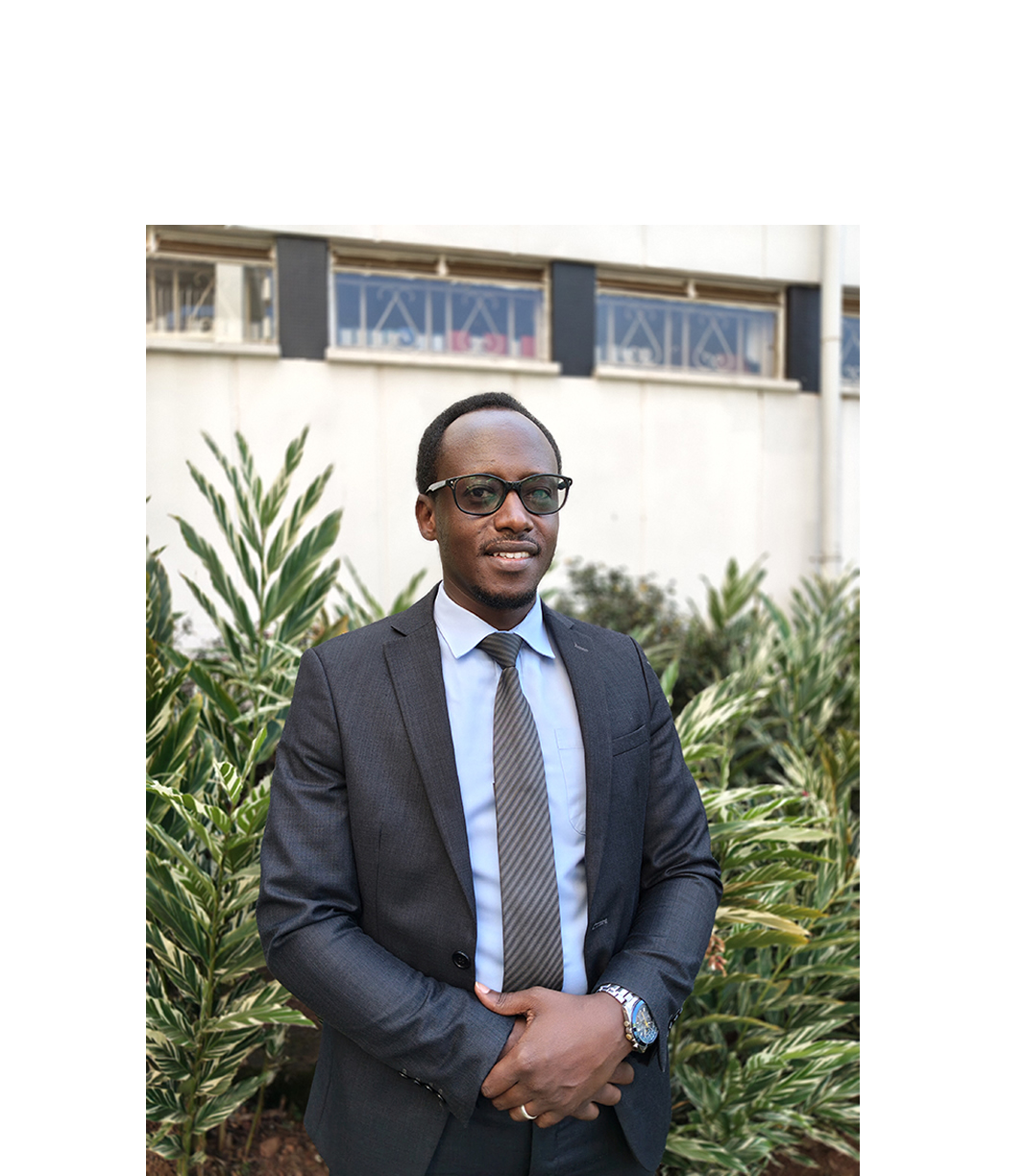
The person with the strongest early influence in the life of Jones Ahabwe was his paternal grandmother. Owishemwe, as she was popularly referred to, commanded respect in their community.
“I used to observe my grandmother and wish I could grow into that kind of person, someone who naturally commands respect,” Ahabwe says. Owishemwe was a term used in Ahabwe’s culture to mean a born-again believer.
That sense of respect became the foundation of Ahabwe’s leadership aspirations long before any formal role came his way. As those aspirations began to take shape, he found his first opportunity to lead within the school environment. His practical leadership lessons came in Primary Seven when he was appointed to be in charge of religious affairs.
At the time, leadership was often associated with physical strength or presence. Yet Ahabwe did not fit any of those descriptions.
But his appointment challenged everything.
His responsibility was to lead prayers during morning school assemblies and assist the school chaplain in organizing Sunday services. Standing in front of the entire school, including the teachers, to lead prayer became his first real encounter with influence.
He grew up in an environment where teachers were not just educators but guardians of daily life. The school compound and church compound functioned almost as one space, creating a rhythm where values were constantly reinforced through both learning and worship.
“My parents were teachers, so the whole place felt like one community raising us,” he recalls.
In that environment, discipline and accountability were collective responsibilities. Every adult felt responsible for every child, and correction or guidance could come from anyone at any time.
That early experience was only buttressed once he joined higher education at Uganda Christian University (UCU) for a Bachelor of Laws degree. At the time, UCU was widely associated with theological training and values-based education. But beyond academics, it offered structured leadership formation through the Honours College Program, something Ahabwe took full advantage of. The program became the most significant part of that experience. It was a small community of about 30 to 35 students who lived and learned together under intentional leadership development. Admission to the program was premised on leadership potential, something Ahabwe had demonstrated in high school as a member of the Students’ Council. The Honours College aims to enhance the development of leaders with excellence in academic, spiritual, socio-economic spheres, as well as equip them with community leadership skills.
Inside the Honours College environment, leadership was lived daily through mentorship, shared life and academic discipline. Mentors such as Dr. John Senyonyi and other university leaders and visiting leaders such as Bishop Dr. Zac Niringyiye and Dr Peter Asiimwe of Life Ministry Uganda regularly engaged students in leadership dialogue, shaping their thinking and expectations. Within that structure, Ahabwe took up several leadership roles in class, his hall of residence, at the Honours College itself and in the Students’ Guild as a member of the Students’ Tribunal.
After graduation, Ahabwe’s aspiration for leadership roles only continued to blossom. He initially envisioned a different path: joining the military, which he saw as a symbol of discipline and structured leadership. But life redirected him.
He returned to UCU in an administrative role at the Uganda Studies Program, which was initially intended for one year, but grew into four years of service and learning. That period deepened his understanding of service and institutional leadership.
In 2014, he joined Kampala Capital City Authority, the administrative unit of Uganda’s capital city, where he currently serves in the Directorate of Legal Affairs as Supervisor, Debt Recovery. His role involves revenue administration and compliance.
Over time, Ahabwe has learned that leadership is not tied to position but is largely about influence. “You don’t need to be at the top to influence people,” he explains.
Even in debt recovery, he sees space for dialogue, understanding and amicable settlement of disputes. “There is always an alternative way to solve a matter. When people comply willingly, service delivery becomes easier for everyone.”
++++++++++++++++++++++++++++++++++++++++++++++++++
To support UCU programs, students, activities and services, go to www.ugandapartners.org and click on the “donate” button, or contact UCU Partners Executive Director, Mark Bartels, at m.t.bartels@ugandapartners.org.
Also, follow us on X (formerly Twitter), Instagram and Facebook.
Discover more from Uganda Partners
Subscribe to get the latest posts sent to your email.