
By Prisca Adaeze Nenger
For Stephanie Akut, leadership has never been simply about personal achievement; it has always been about service, purpose, and empowering others. A proud alumna of Uganda Christian University (UCU), she has built a career defined by resilience, faith, and a deep commitment to creating opportunities for others, promoting sustainable development, and leading with integrity. Stephanie, who currently serves as the Chief of Staff to the Director-General of the National Council on Climate Change (NCCC) in Nigeria, is the Founder and Lead Consultant of Primewit Global Limited, an HR consulting and recruitment firm. She is also the Founder of Hexora Technologies, a tech consulting company, and she is building Blacklane NG, a luxury chauffeur service platform offering premium, secure transportation services and private jet charter services in Abuja, Nigeria, alongside her government role.
Stephanie earned her Bachelor’s degree in Human Resource Management (HRM) from UCU in 2018 and later pursued a Master of Business Administration (MBA) at Nexford University, graduating in 2025. From her early years as a student at UCU to her current pursuits in leadership, entrepreneurship, and climate policy, Stephanie has consistently stood out as someone determined not only to succeed academically but also to grow as a leader. Through her studies in Human Resource Management at UCU, she developed a strong interest in leadership, people development, and organizational growth; skills that would later become central to her career and professional journey.
Beyond her professional endeavors, Stephanie remains actively engaged in community development, women’s empowerment, and faith-based initiatives, with a commitment to using leadership, technology, and human capital development as tools for sustainable social impact. Her story echoes the powerful message behind the 2026 International Women’s Day theme, “Give to Gain,” demonstrating how investing in the girl-child, in knowledge, and in community can generate lasting impact. Join us as we explore Stephanie’s journey so far!

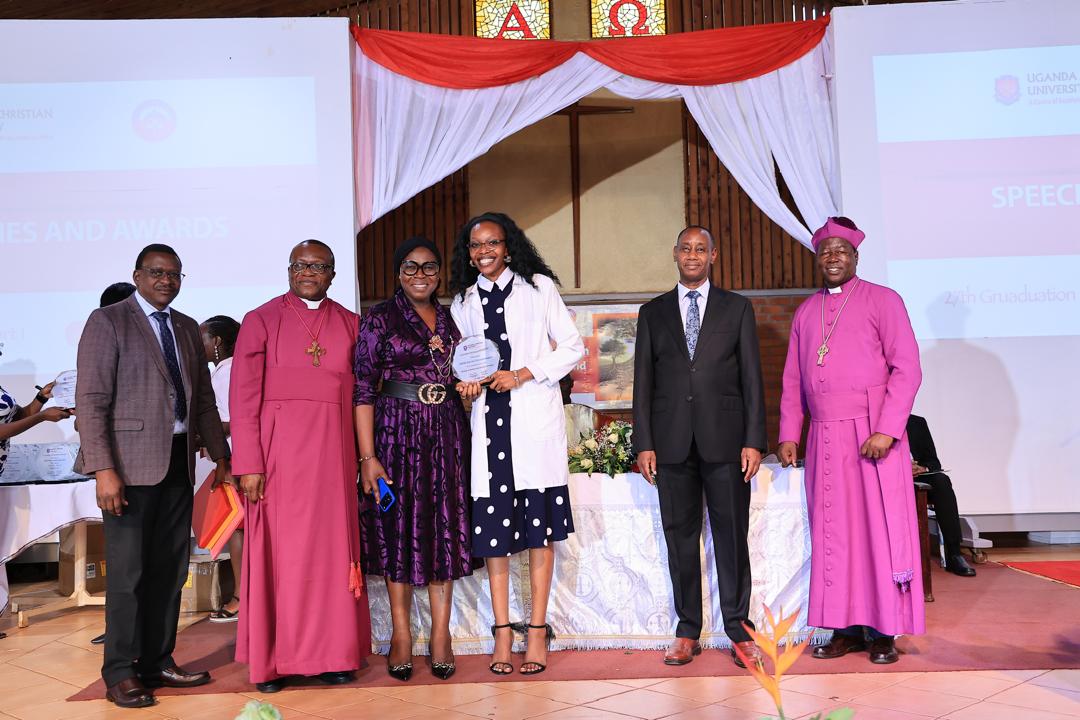
Stephanie Akut
Early Life & Family Background
Tell me a little about your upbringing…
“Long, long ago in the ancient city of Jos, in Northern Nigeria, a star was born…” Just kidding! I was born in Jos, Plateau State, to the family of Mr. Philip and Mrs. Afiniki Akut, the last child and the only daughter. After my parents had been blessed with sons, I arrived as “finally, a girl.” I grew up in Jos Plateau State and later moved to Kaduna State, my state of origin, in 2007.
As a child, I wanted to be a Pastor and a Doctor. I wanted to heal bodies and shepherd hearts. My mum still tells stories of how I would gather other children and teach them the Bible with surprising seriousness. Leadership, it seems, started early.
Today, I am neither standing behind a pulpit as a Pastor nor practicing medicine in a hospital. Yet in many ways, I see those childhood dreams reflected in who I’ve become. Through leadership, mentorship, and public service, I nurture people, build systems that restore and strengthen organizations, and help shape environments where others can grow. I may not write prescriptions, but I help build structures that bring clarity and order. I may not lead a congregation formally, but I lead teams, mentor young professionals, and serve with conviction and faith.
Interestingly, I also once wanted to become a flight [attendant]. I was fascinated by how they worked: composed, attentive, structured, and responsible for people’s comfort and safety mid-air. Looking back, I realize I’ve always been drawn to service roles that require responsibility, composure, and care for others.
Fun fact: I played the drums as a child. At some point, I was told that drums were “not for girls,” and the little girl I was believed it. I wish I hadn’t. That moment quietly shaped my understanding of how easily young girls can shrink themselves when told they don’t belong, and why it is important to challenge those narratives.
I also wasn’t always the “smartest” child in class. I was not the obvious academic prodigy. But I was consistent. I was disciplined. I was determined. Over time, I learned that resilience, faith, and hard work often outpace early brilliance.
I was raised in a Christian home where faith was not just something we professed, but something we lived daily. My parents instilled in us discipline, integrity, resilience, and reverence for God. I grew up understanding that character matters more than applause, and that leadership begins with responsibility at home.
Being shaped by strong values early in life taught me to pursue excellence quietly, respect people regardless of status, and see service as a calling, not just a duty. Those foundations continue to guide how I lead today.
Journey to UCU & Formation
What inspired you to study at UCU?
I was drawn to UCU because it combined academic rigor with spiritual formation. I didn’t just want a degree, I wanted an environment that would strengthen my faith, shape my character, and prepare me for leadership beyond the classroom. Choosing a Christian university was intentional. I believed that who I became was just as important as what I studied.
How did UCU shape your values and leadership style?
UCU refined my understanding of servant leadership. It taught me that leadership is stewardship of influence, of people, of opportunities. My worldview became more purpose-driven. I began to see leadership not as power, but as responsibility. That perspective has stayed with me in both public service and entrepreneurship.
What experiences at UCU most influenced you?
The integration of faith and academics was transformative. Chapel services, mentorship moments, and classroom discussions, where ethics mattered as much as results, shaped me deeply. UCU trained me to think critically while staying spiritually grounded!
Faith & Leadership in Today’s World
How has your Christian faith shaped your journey?
My faith has been my anchor. It has shaped my decision-making, my resilience during difficult seasons, and my approach to leadership. In high-level environments where pressure is constant, faith keeps me centered. It reminds me that success without integrity is failure.
What does it mean to be a Christian leader today?
To me, being a Christian leader means embodying excellence without compromising values. It means leading with integrity even when no one is watching. It also means bringing compassion into boardrooms, clarity into confusion, and courage into complex spaces.
How do you maintain your spiritual grounding?
Intentionality. I protect my quiet time with God. I surround myself with accountability. I stay connected to faith communities. In fast-paced national and international spaces, you must deliberately guard your convictions, or the environment will reshape you!
Academic Training, Leadership & Professional Development
Why Human Resource Management?
I have always been fascinated by people; how they think, how they grow, and how organizations either unlock or suppress human potential. Human Resource Management gave me the language and structure to understand leadership, systems, and workforce development. It was never just about hiring and policies for me, it is about building people and building institutions.
How did HRM training at UCU shape your leadership style?
My HRM degree gave me a people-centered framework for leadership. It taught me how to structure organizations, design systems, and understand workforce dynamics. It taught me that sustainable organizations are built on human capital. Policies matter, but people matter more. My leadership style is therefore structured but empathetic. Strategic but people-conscious.
In what ways did your MBA strengthen your expertise and shape your approach to leadership and strategic decision-making?
My MBA deepened my long-term strategic thinking and strengthened my operational discipline. It enhanced my ability to analyze complex problems, make data-driven decisions, manage multiple initiatives, and lead across sectors simultaneously. For example, it prepared me to transition seamlessly between public service, entrepreneurship, and national policy environments.
Together, these degrees shaped me into a leader who understands both people and performance.
Career & National Impact (Operational Focus)
As Chief of Staff at the National Council on Climate Change (NCCC), what impact do you hope your work will have on Nigeria and beyond?
As Chief of Staff to the Director-General (DG) of the National Council on Climate Change (NCCC), my focus is on ensuring smooth operations, effective coordination, and timely execution of the Council’s initiatives. I support the DG in managing priorities, connecting teams, and making sure policies and programs are implemented efficiently. While I’m not directly creating technical climate solutions, my role helps ensure that decisions translate into action and that the Council’s work reaches communities and stakeholders across Nigeria. I hope that by keeping operations seamless, the NCCC can achieve real, practical impact on climate resilience and sustainable development.
What has been the most rewarding aspect of your leadership and public service journey so far?
The most rewarding aspect is seeing the wheels turn behind the scenes when plans and policies are implemented successfully, teams collaborate effectively, and the DG’s vision is brought to life. I also find fulfillment in supporting people to perform at their best, helping colleagues navigate challenges, and ensuring that processes run smoothly. Leadership, for me, is about creating the space for others to succeed and seeing tangible results from collective effort.
Entrepreneurship Journey
When did you first become an entrepreneur, and what inspired you to start your first business?
My entrepreneurial journey began while I was a student at UCU. I started by selling Nigerian fabrics, popularly known as Ankara, to fellow students and lecturers. What began as a simple hustle to earn extra income quickly grew into something bigger. Soon, I was receiving bulk orders and delivering fabrics across Kampala. It wasn’t glamorous. It was practical. I saw demand, and I filled it.
What other ventures were you involved in as a student?
As the Ankara business grew, I expanded. I began sourcing sandals from Nairobi and shipping them to Nigeria for sale. At the same time, I was working remotely as a Vendor Relations Officer. Balancing academics, cross-border trade, and a remote job was extremely demanding. There were days I was exhausted, juggling classes, logistics, customer communication, and work deliverables. But that season built my resilience and discipline.
What motivated you to start building businesses during your undergraduate years?
Independence and exposure. Being away from home in another country forced me to grow quickly. I wanted financial independence, but beyond that, I was fascinated by how trade worked, sourcing, pricing, margins, logistics, and relationships. I wasn’t just selling fabrics or sandals. I was learning systems.
How did you manage such responsibility at a young age?
Structure. Faith. And sheer determination. I learned time management the hard way. I had to prioritize, plan, and sometimes sacrifice comfort. There were moments I questioned whether I was stretching myself too thin. But those years shaped my capacity. It trained me to handle pressure, something that has helped me immensely in business and public service today.
How did that early hustle shape the entrepreneur you are now?
That season shaped me profoundly. Building businesses while studying taught me how to identify demand quickly, manage logistics across borders, negotiate with suppliers, and maintain discipline under pressure. It forced me to develop structure early, balancing academics, operations, customer relationships, and a remote role simultaneously. More importantly, it built resilience and sharpened my problem-solving instincts. I learned that entrepreneurship is not just about ideas; it is about execution, consistency, and delivering value regardless of the circumstances. Those lessons continue to guide how I build, lead, and create systems today.
Extracurricular Life & Personal Development
As an Undergraduate
What extracurricular activities or student organizations were you involved in at UCU, and did you take on any leadership roles in them? What was that experience like for you and how did it contribute to your personal growth and leadership development?
During my time at UCU, I was actively involved in both student leadership and faith-based communities. I served as President of the UCU Nigerian Students Association (2017–2018), where I coordinated student programs, represented Nigerian students on campus, and built a strong support network for fellow students. I also served as Vice President of Talent Management for AIESEC UCU, helping to identify and develop young leaders, organize events, and manage volunteer opportunities. Beyond leadership roles, I was a member of Survivor Fellowship, which deepened my faith and strengthened my sense of purpose, community, and service.
My leadership positions at the Nigerian Students Association and AIESEC UCU allowed me to coordinate teams, organize programs, and execute initiatives that had meaningful impacts on students and the wider campus community. These experiences taught me delegation, strategic planning, and how to inspire others, skills that became foundational as I transitioned into professional and entrepreneurial leadership.
Serving in those roles developed my confidence, resilience, and people-management skills. It taught me how to navigate challenges, motivate teams, and lead with integrity. My involvement in Survivor Fellowship reinforced the principle that leadership is ultimately about service, faith, and uplifting others, a philosophy that continues to guide me in both business and government.
As a Professional & Business Owner
Outside of your formal career and businesses, are you involved in any professional associations, community initiatives, or faith-based activities today?
Yes, I am an active member and part of the workforce at The Finishing Church, Nigeria. It is a Centre for Integrated Human Development and a community of Kingdom believers, committed to transformation into Christlikeness.
I serve as a member of The Joseph Company, an arm of the church focused on raising and equipping professionals across various industries. Through leadership development and capacity-building initiatives, we prepare believers to excel in their fields while upholding integrity, excellence, and Kingdom values.
In addition, I mentor young professionals, especially women and girls, through structured programs and informal guidance. I also support initiatives centered on youth empowerment, education, and social impact, aligning with my broader vision of creating opportunities and empowering communities in Nigeria.
How do you continue to invest in personal and professional development beyond work?
I am intentional about continuous learning, attending leadership programs, industry conferences, and policy workshops. I also prioritize mentorship, reading, and reflection, using every opportunity to grow as a leader, entrepreneur, and servant. I see development as a lifelong journey, one that strengthens both professional effectiveness and personal character.
Key takeaway:
From campus leadership roles to mentoring programs today, my approach to personal and professional growth has always been intentional, faith-driven, and people-centered. I aim to lead in ways that inspire others to grow alongside me and to create impact that extends beyond my immediate sphere.
Leadership, Technology & Social Impact
You are committed to using leadership, technology, and human capital development as tools for sustainable social impact. How has this commitment guided your professional and entrepreneurial journey?
From the start, my goal has been to create systems and platforms that empower people and communities. Whether in government or entrepreneurship, I focus on initiatives that strengthen capacity, open opportunities, and deliver measurable impact. Leadership, for me, is about serving others while building structures that outlast me, and technology has become a key enabler in scaling these efforts efficiently.
How do you integrate innovation and human capital development into your work to create opportunities for individuals and communities?
Through my ventures like Primewit Global and Hexora Technologies, I prioritize talent development, skills training, and practical solutions. For example:
- At Primewit Global, we match talent with meaningful opportunities and provide structured career development support, addressing unemployment challenges in Nigeria.
- At Hexora Technologies, we leverage technology to help businesses operate more efficiently while creating tech roles and training opportunities for young professionals.
Each initiative reflects my commitment to workforce development, youth empowerment, and sustainable economic growth.

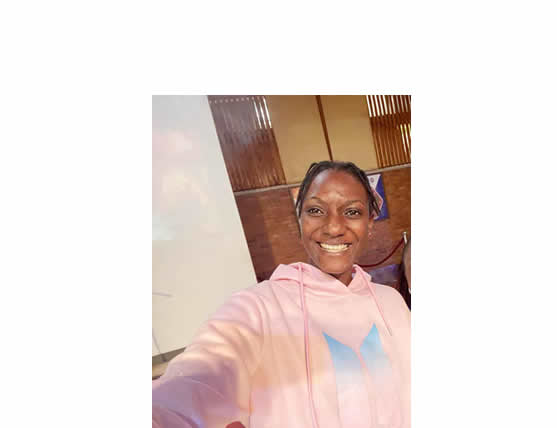
Stephanie Akut at UCU main campus during her undergraduate studies
In what ways have your initiatives and/or business ventures contributed to workforce development, youth empowerment, or reducing unemployment?
By focusing on structured HR practices, mentorship, and skill-building, my ventures directly contribute to professional development and economic opportunity:
- Primewit Global has helped hundreds of young professionals secure employment and grow their careers.
- Hexora Technologies provides internships, training, and project-based roles to nurture tech talent.
These efforts demonstrate that business can be a force for social good, creating sustainable opportunities while driving professional excellence.
Looking ahead, what impact do you hope your work will continue to make in advancing sustainable development and social transformation?
I hope to continue building scalable systems that empower people, strengthen communities, and create sustainable impact. Whether through HR solutions or tech innovation, my vision is to leave behind functional systems, trained leaders, and empowered youth, contributing to Nigeria’s economic growth and social transformation at a global scale.
Global Engagement & COP30 Experience
You recently attended the COP30 event in Brazil. What was your overall experience?
Attending COP30 in Brazil was an extraordinary opportunity to engage with global leaders on climate policy, innovation, and sustainability. The experience was both inspiring and humbling, as it highlighted the complexity of climate challenges and the importance of collaboration across countries and sectors.
There was a fire incident during the event. Could you briefly explain what happened, how it was resolved, and what lessons emerged from the experience?
During the conference, there was a minor fire incident in one of the meeting halls. While initially alarming, the event was quickly and professionally managed by the conference security and emergency teams. I learned firsthand the importance of remaining calm under pressure, assessing situations clearly, and coordinating effectively with others, lessons that are highly transferable to leadership in any context, including government operations and organizational management.
What were your key takeaways from the event, and how did they shape your perspective as a climate policy leader?
The key takeaways for me were:
- Collaboration is essential: No nation or organization can tackle climate change alone; partnerships and knowledge-sharing are critical.
- Operational readiness matters: Behind every high-level decision, strong operational systems ensure policies are executed efficiently.
- Resilience and adaptability: Unexpected situations, like the fire incident, remind leaders to be flexible, composed, and solution-focused.
These lessons reinforced my approach to supporting climate initiatives in Nigeria, ensuring that strategic plans are complemented by effective operational execution.
What insights did you bring back to Nigeria, and how have they influenced your current work across sectors?
I returned with several actionable insights:
- Strengthening coordination between agencies and stakeholders is critical for impactful climate action.
- Integrating operational efficiency with policy development ensures that climate programs are implemented on time and achieve measurable outcomes.
- Empowering young professionals and communities is essential for sustainable change, which depends not just on policy but on people.
These insights have influenced how I support the DG at the NCCC, how I mentor emerging leaders, and how I approach business and social impact initiatives, ensuring that operations, people, and strategy are always aligned for maximum effectiveness.
Rest, Retreat & Work–Life Balance
With such a demanding schedule, how do you retreat and recharge outside of work?
I make rest and renewal a priority, even amidst a busy schedule. I spend time in prayer, meditation, and reflection, which helps me process challenges and gain clarity. I also enjoy reading, journaling, and occasional quiet walks, which allow me to step back, recharge, and reconnect with my purpose.
You juggle multiple demanding roles. How do you balance your career, entrepreneurship, personal life, and faith while also creating time for rest, reflection, and spiritual renewal?
Intentionality is key. I schedule moments for reflection and prayer just like any other meeting. I also set boundaries around my time to ensure I have space to retreat and recharge. Balance comes down to discipline, planning, and prioritization. I focus on what truly matters each day, delegate effectively, and stay connected to my support networks. For me, spiritual renewal isn’t an afterthought; it is the foundation that allows me to lead effectively and serve well. Faith plays a central role because it reminds me why I do what I do and helps me maintain perspective when demands are high.
What practices help you stay grounded spiritually, mentally, and emotionally amid such responsibilities?
I rely on daily prayer, scripture reflection, and accountability relationships. A scripture like the Book of Jeremiah 33:3, which states, “Call to me and I will answer you, and will tell you great and hidden things that you have not known,” serves as my daily anchor Bible verse.
Mentorship and peer support also help me stay grounded. I intentionally step away from the noise of work to focus on clarity, gratitude, and purpose, which keeps my decisions and leadership aligned with my values.
How do you define success today?
Success is impact, integrity, and legacy. It’s about leading in ways that positively affect people, creating systems that outlive me, and ensuring that my work contributes to sustainable change, not just personal achievement.
What advice would you give young professionals, especially women, on balancing ambition, purpose, and well-being?
I would tell them to prioritize faith, self-awareness, and intentionality. Know your values, plan your time wisely, and don’t be afraid to set boundaries. Ambition is important, but it must be balanced with purpose and well-being. Surround yourself with mentors, invest in personal growth, and remember that rest is not weakness, it is preparation for impact!
International Women’s Day – Women, Education & Legacy
What does International Women’s Day mean to you personally and professionally?
International Women’s Day is a reminder of progress, resilience, and responsibility. Personally, it’s a moment to reflect on the women who shaped my journey, from mentors at UCU to family members who instilled faith and discipline. Professionally, it’s an opportunity to celebrate women making an impact while also acknowledging the work still needed to create equitable opportunities for all.
You are passionate about empowering young people, especially women and girls. How can education transform opportunities for young women today?
Education is the most powerful tool for empowerment. It equips young women with knowledge, critical thinking, and confidence, all of which are essential for leadership, entrepreneurship, and personal development. Education opens doors, breaks cycles of limitation, and enables young women to contribute meaningfully to their communities and nations.
Can you share examples of initiatives or mentorship efforts you are involved in that support women and girls?
I actively mentor young professionals and entrepreneurs, particularly women, through structured guidance, career coaching, and leadership development programs. I also support initiatives that provide skill-building, access to networks, and opportunities for practical experience. My goal is to ensure women and girls can see themselves in leadership roles and have the tools to succeed.
What barriers still limit opportunities for girls and young women, and how can they be addressed?
Barriers include cultural expectations, limited access to quality education, mentorship gaps, and systemic bias. Addressing these requires a holistic approach: investing in education, providing mentorship, creating safe spaces for growth, and promoting policies that encourage equality. Faith-based and community institutions can play a key role in advocacy, support, and leadership development.
How can faith-based institutions like UCU contribute to advancing girls’ education and leadership?
Faith-based institutions can combine moral formation with academic excellence, equipping women with both competence and character. They provide mentorship, leadership opportunities, and a supportive community that encourages young women to dream boldly and lead with integrity. UCU, in particular, models this by integrating faith, service, and practical leadership development in its programs.
What message would you like to share with current UCU students and young women aspiring to leadership about faith, purpose, and making a meaningful impact in today’s world?
I would tell them to trust the journey, embrace their faith, and lead with purpose. Success is not only measured by titles or wealth, but by the impact you make, the people you uplift, and the integrity with which you navigate challenges. Be intentional about growth, surround yourself with mentors, and always let your values guide your decisions.
What legacy do you hope your work will leave for women and girls, young professionals, and future leaders?
I hope my legacy is one of empowerment, opportunity, and inspiration. I want to leave behind systems, mentorship, and platforms that equip women and young professionals to thrive, contribute meaningfully to society, and lead with courage and integrity. My vision is to demonstrate that faith, leadership, and entrepreneurship can intersect to create lasting social impact.
Closing Reflection
If you could summarize your journey in one sentence, what would it be?
“My journey is a faith-driven pursuit of leadership, entrepreneurship, and service, creating opportunities, empowering others, and building systems that outlive me.”
While Stephanie continues to demonstrate what it means to lead with purpose, her work reflects a commitment to using leadership, technology, and human capital development as tools for lasting impact, especially in empowering young people and expanding opportunities for women and girls. The values of faith, integrity, and service embedded in her Christian upbringing and UCU’s Christian education greatly influenced her worldview and her approach to leadership, entrepreneurship, and community service. As we celebrate International Women’s Day 2026, Stephanie’s journey reminds us that true leadership is not only about what we achieve for ourselves but also about what we give to others to build a better future.
++++
To support UCU programs, students, activities and services, go to www.ugandapartners.org and click on the “donate” button, or contact UCU Partners Executive Director, Mark Bartels, at m.t.bartels@ugandapartners.org.
Also, follow us on X (formerly Twitter), Instagram and Facebook.
Discover more from Uganda Partners
Subscribe to get the latest posts sent to your email.