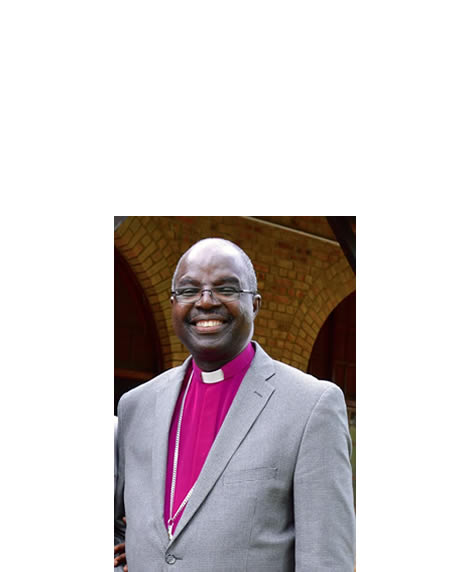
By Jimmy Siyasa
When Henry Luke Orombi was only a boy, he wanted to be a mechanic. He grew up seeing a mechanic in his village riding a motorbike at blistering speed; it captured the fancy of many boys like him.
Brought up in the remote and obscure countryside of Pakwach, formerly part of now Nebbi District, Northwestern Uganda, Orombi’s was a simple peasant life.
Life there included: Fishing along River Nile (longest in the world) and selling the fish in the local market; picking cotton in the fields his father worked; grazing cattle; undertaking communal farming and harvesting activities; and running mostly menial and agrarian errands.
Born on October 11, 1949, Orombi is fifth of 11 children. Brought up in a family that could not afford him shoes in elementary school, Orombi self-acquired his first pair (gently used) at age 17.
At that time, if anyone had told his family or “village mates” that he would become one of the most decorated and highly respected clerics in contemporary Anglican history, they would have burst out in a laughter more sarcastic than Sarah’s in Genesis 18: 12-15. The odds were unfathomable. In fact, Orombi, an alumnus of what is now Uganda Christian University (UCU), would lead them at that. According to his biographers, Josepha Jabo and Julia Kushemererwa, he once told one of his mentors in youth, now deceased, first Archbishop of Uganda, Janani Luwum, “… I do not want to be ordained!”
Honors
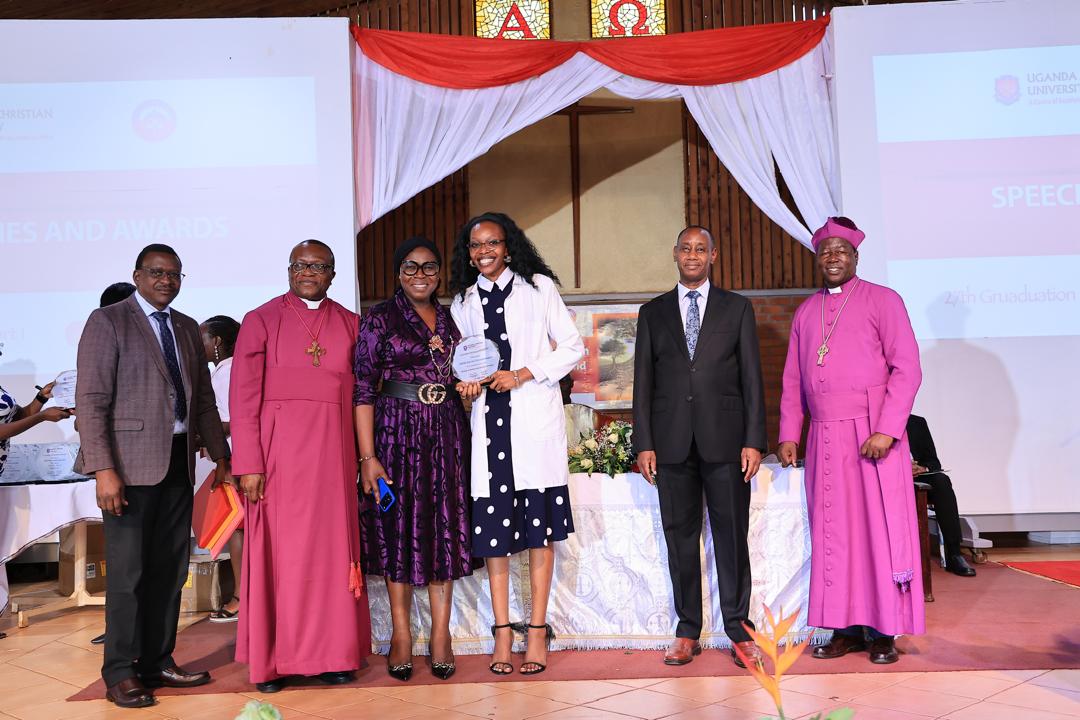
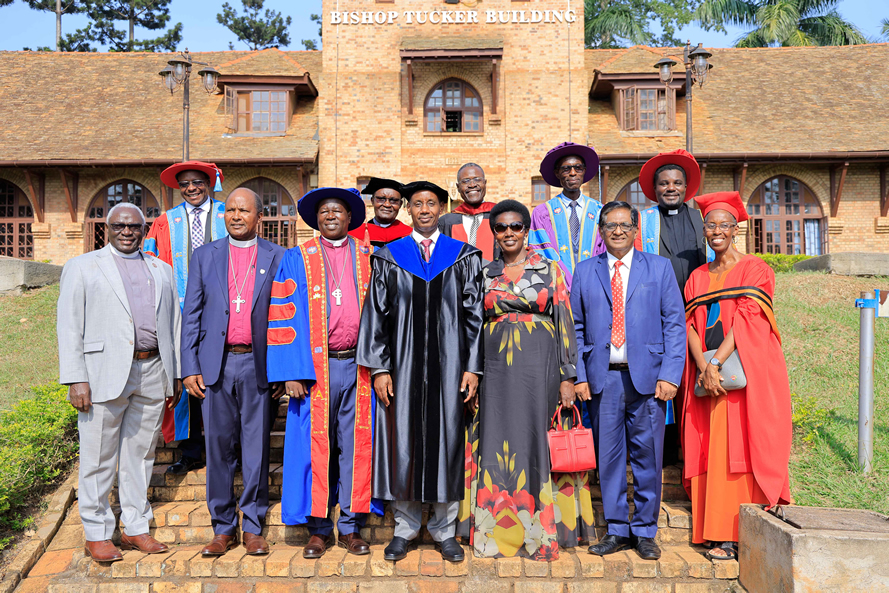
Now a retired cleric, 75-year-old Orombi remains a strong pillar of spiritual leadership in Africa. Having served as Archbishop of the Church of Uganda (2004-2012), concurrently as UCU Chancellor during the tenure of Prof. Stephen Noll, Orombi’s name is at the apex of the UCU Hall of fame/honor. He has joined the ranks of notable persons after whom UCU facilities are named: first, the UCU Arua Campus ICT Complex, and this year, 2025, a road called “Henry Orombi Road”. Orombi, whom the President of Uganda, Yoweri Museveni has commended for “doing good work for the church…,” (New Vision, August 23, 2012) while in retirement, was in 2023 appointed by Museveni, to be Chancellor of Muni University, one of Uganda’s 10 public post-secondary institutions.
A Long-Winded Road
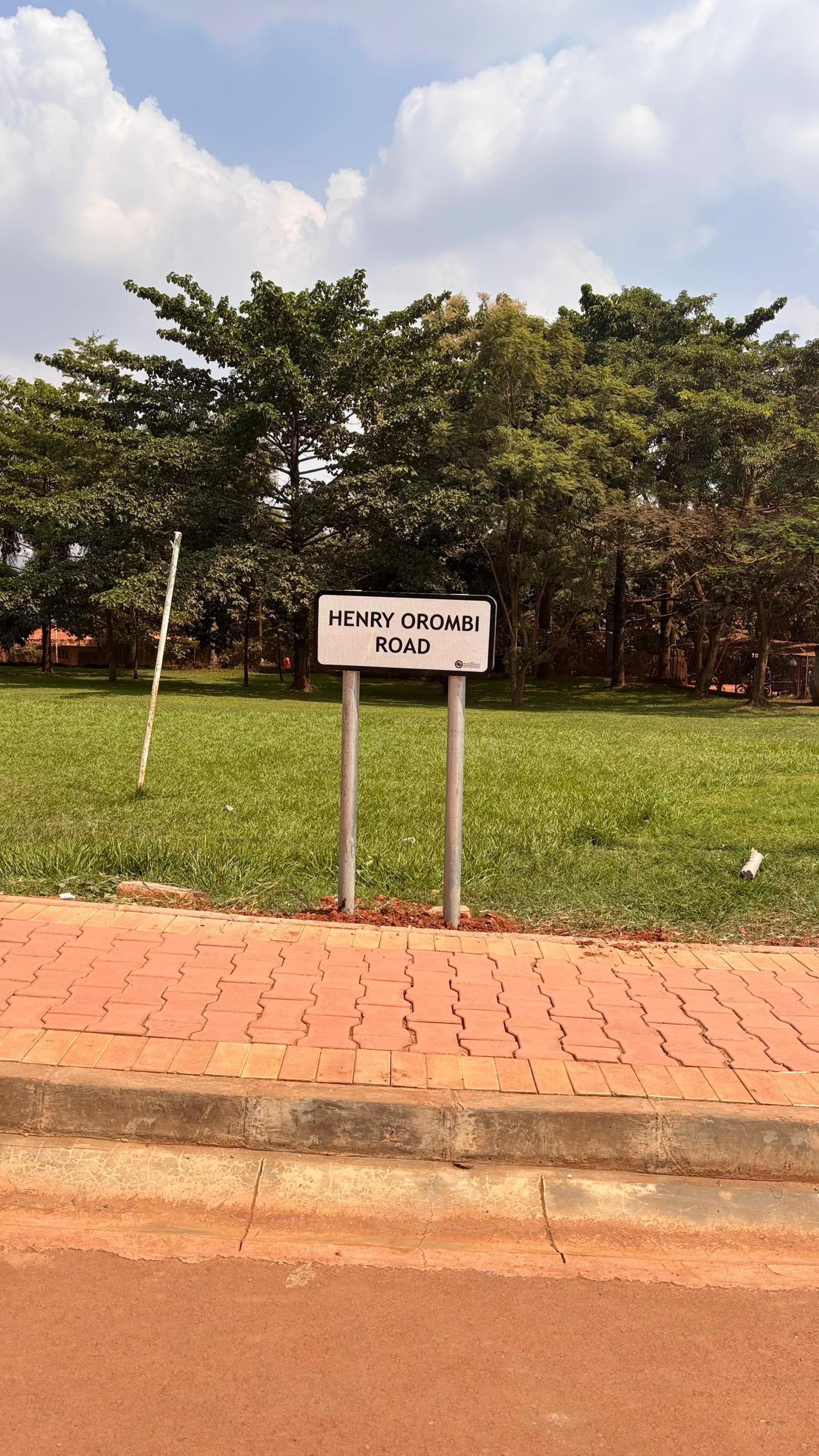
Signage along UCU’s Henry Orombi Road
Orombi’s virtually pagan pedigree would disqualify him from any prospects of such a noble outcome in his life. Born in a polygamous family, his grandpa and aunts practiced voodoo. Orombi was drinking by age 14 and involved in strings of teenage mischief. To narrow the odds even further, Orombi’s father, Luka Jalobo, wanted him to become a teacher because it was one of the “respectable professions” in the 1960s in Uganda. The father forcefully enrolled the son into a teachers’ training.
On the other hand, Orombi wanted to go to a technical college. “He drew his inspiration from the local mechanic Ramathan [a Muslim]…,” write his biographers in their book titled Orombi. In short, theological seminary was nowhere close in his mind.
In Jeremiah 32: 27, God poses the rhetorical question, “Behold, I am the LORD, the God of all flesh. Is anything too hard for me?” for which Orombi’s dramatic 360-degree transformation lends an affirmative answer. Indeed, what is impossible with man, is possible with God.
It began with his father’s conversion to Christianity. One of his sisters and mother, Susan, would later get saved, strengthening the Christian influence in the family of Orombi, who at the time was in his second year at a teacher training college. One thing led to another, until during an evangelistic mission week at his college, where he had a private supernatural encounter. Then, he “heard the voice of God,” according to his biography. From that time on, he “decided to follow Jesus.”
While thriving in his education career, and even promoted to the rank of Headmaster, the call to ministry came. Then Bishop of Northern Uganda and 3rd Archbishop of Uganda, Janani Luwum, noticed Orombi’s pious character, eloquence and active involvement in Church activities, and decided the man was fit for full-time ministry. He immediately recommended him and pulled all the necessary strings to see to Orombi’s enrollment for a Diploma in Theology at then Bishop Tucker Theological College, now UCU.
In typical Saul-to-Paul fashion, Orombi’s calling as an evangelist came with a heavy cross. The regime at the time, 1977, led by tyrannical Idi Amin Dada, a Muslim, was hostile to Christianity, especially bold-public expressions of it. On many occasions, Amin’s police or soldiers would witch-hunt prayer groups, and beat, kidnap or murder the participants on grounds of treason or anti-government activity. It was under such circumstances that Orombi, as a UCU student, found himself behind lock and key in 1977 amidst pastoral practice work. But the actual devastating blow came on February 17, the same year, when Orombi’s mentor and friend, Luwum, was assassinated by the Amin regime.
While he wept for many days and burned with rage, Orombi’s passion for the ministry was stirred more as though in honor of the legacy of a man who he so admired and looked up to. Orombi’s courageousness was shaped by several such risky evangelistic ventures. In fact, he reportedly trekked 78 miles (from Nebbi Town to Arua District) from facilitating a school mission because he did not have means of transportation.
It seems, as God prepared David through his shepherding of sheep in the wilderness, to rule unruly Israel; so, did He groom Orombi to deal with the pangs of Christian ministry and high-level leadership through his difficult childhood and the fishing experience.
As his biographers write, “Fishing taught Orombi important lessons like patience, perseverance and courage. One could not be in a hurry when one went out to fish…rowing up and down River Nile sometimes in the middle of bad weather and mosquito bites at night.”
With his zeal now re-channelled for Godly cause, Orombi, who, as a boy, walked four miles daily to and from Pajobi Primary School, did not mind going an extra mile for God. He risked his life, that of his family and lucrative opportunities for Christ. After acquiring his Bachelor of Divinity from St. John’s College, Nottingham, in England (on scholarship), he did not pursue academia further. Instead, he engrossed himself in “fishing men” for Christ.
Orombi was ordained a priest in 1979, served in many junior clerical and lay positions within the church, until 1993 when he was consecrated and enthroned as Bishop of Nebbi Diocese, thereafter attaining several ascending titles and awards.
+++++++++++++
To support UCU programs, students, activities and services, go to www.ugandapartners.org and click on the “donate” button, or contact UCU Partners Executive Director, Mark Bartels, at m.t.bartels@ugandapartners.org.
Also, follow us on X (formerly Twitter), Instagram and Facebook.
Discover more from Uganda Partners
Subscribe to get the latest posts sent to your email.