By William Opio
A mother had a simple explanation for why her child did not eat animal products: it was against their religious beliefs.
Instead of dismissing the family’s beliefs, Justine Mbambu, who was caring for the severely malnourished child, sought a conversation with their religious leader. Together, they discussed the child’s nutritional needs and found a way forward: to allow the child to receive milk and eggs while continuing with plant-based foods.
The encounter reflects Mbambu’s approach of caring for the patient by understanding the person behind the illness.
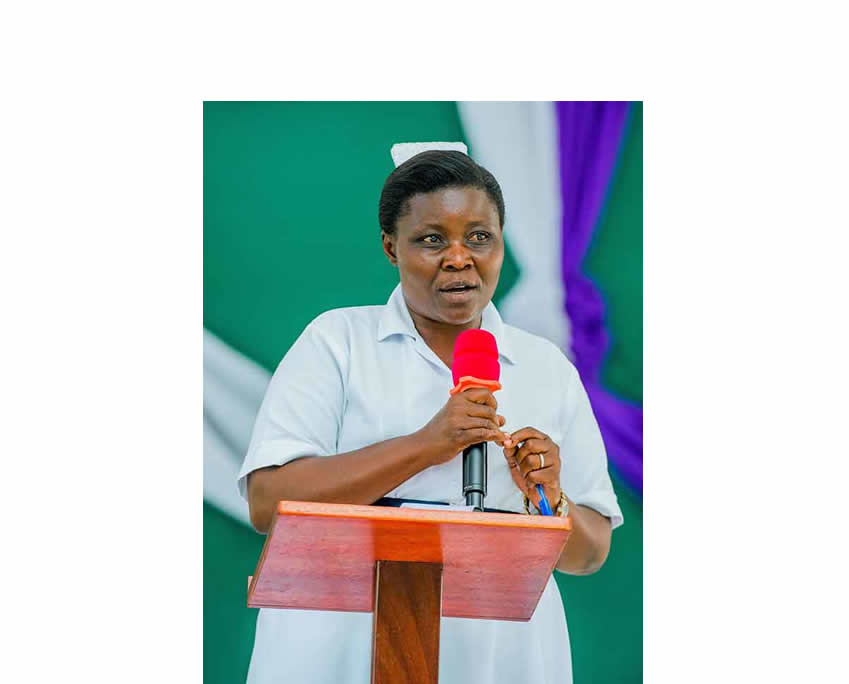
Today, she is a nursing officer at Kagadi General Hospital in western Uganda. Mbambu has been a nurse for 23 years. Her journey to the position at Kagadi General Hospital, however, began years earlier, when she was a young girl living with her aunt, a nurse, at a health centre.
At the time, becoming a nurse was not part of her plan. She wanted to become a doctor.
An unexpected opportunity after secondary school, however, changed that.
Mbambu’s early years were shaped by a strong emphasis on education, responsibility and service. At Muldungo Primary School, she was selected as a class leader in Primary Five. After transferring to Kitalikivi Primary School, she quickly adapted and was later appointed a leader in charge of the school’s library.
Her teachers emphasized academic performance, in addition to pupils respecting others, taking responsibility and conducting themselves well.
Those same values were reinforced by her parents at home, teaching her humility, empathy, resilience and the importance of helping others.
Her aunt became another important influence. While still in primary school, Mbambu moved into the home of her aunt and uncle, in the staff quarters of a health centre. Despite having limited resources, they supported her education through O’level.
Living around the health centre exposed Mbambu to the work of nurses. She admired their cleanliness, organization and calmness as they cared for patients.
After completing O’level at Rwenzori High School in Kasese district, Mbambu was uncertain about her future. She still hoped to become a doctor, but during her long vacation, a family friend told her about an opportunity at Kagando Hospital.
The hospital had received approval to establish a recognised nursing training institution. Mbambu applied.
Following the interviews, the Ministry of Health cleared the institution to train registered nurses directly at diploma level. Applicants who performed highly were selected for the programme.
Mbambu was among them.
She completed her training at Kagando School of Nursing and Midwifery in 2001 and began working the following year at a private clinic in western Uganda.
After about 10 months, she successfully applied to join government service. Her first posting was at a health centre where she was given the responsibility for leading nurses.
In 2005, she moved to Kagadi Hospital, beginning a long chapter of professional growth that continues to this day.
But as her experience increased, Mbambu recognised the need to advance her education.
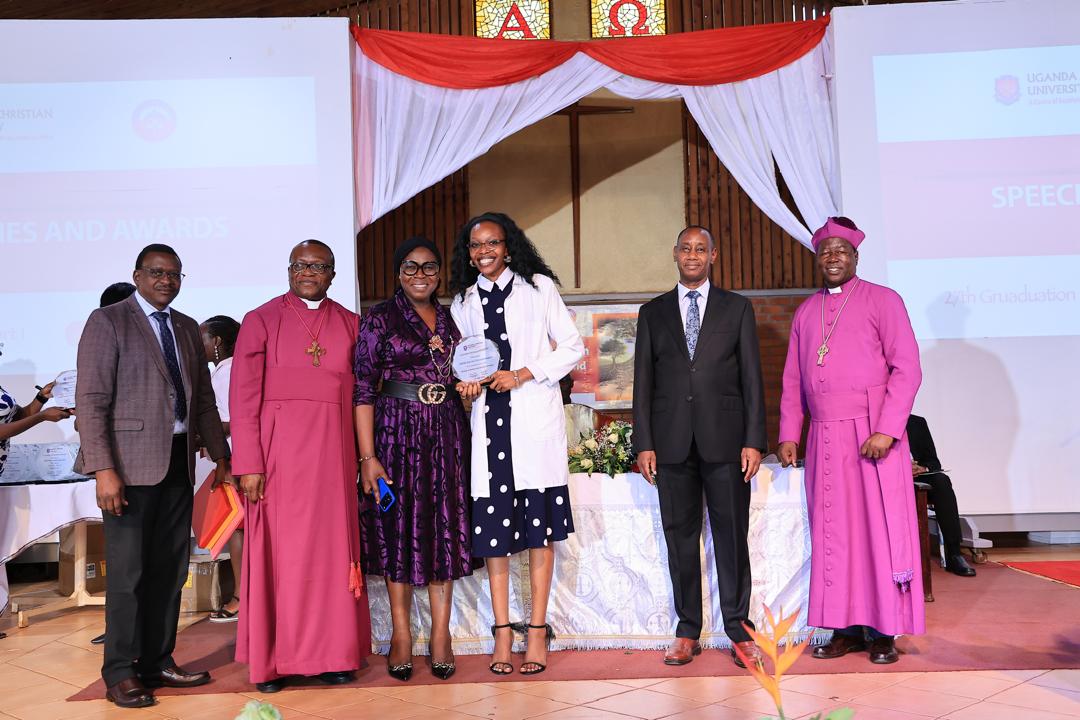
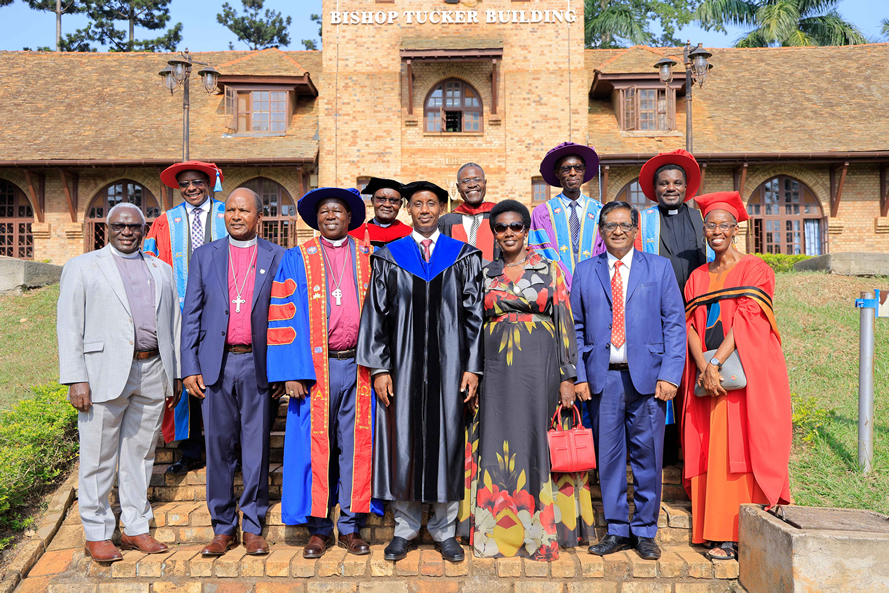
Between 2008 and 2011, she was pursuing Bachelor of Science in Nursing at Uganda Christian University (UCU), graduating in 2012.
Studying at UCU was a deliberate choice. Its Christian foundation and holistic approach to education appealed to Mbambu, who had grown up with faith closely connected to her education. She also valued the commitment of the university’s lecturers and the opportunity to develop professionally in a Christian environment.
As her career progressed, so did her responsibilities.
Mbambu became increasingly involved in leadership, teamwork, communication and advocacy. Rather than carrying every responsibility herself, she began assigning tasks according to the strengths of colleagues, creating opportunities for them to develop.
Her colleagues later entrusted her with representing them on the Kagadi Hospital management board. She was also nominated by the Chief Administrative Officer to serve on the governing council of a government nursing school in the region.
Her work has also brought her face-to-face with the realities facing Uganda’s health sector. For instance, she has worked with limited staffing, high patient numbers, shortages of equipment and supplies, infrastructure constraints and limited opportunities for promotion.
However, teamwork and advocacy have helped her navigate such challenges. When resources are scarce, she makes the best use of what is available, while seeking support when a problem requires intervention beyond her immediate team.
After more than two decades in the profession, Mbambu sees nursing as a responsibility that extends beyond administering treatment.
Nurses accompany people through some of life’s most important moments: from pregnancy and childbirth to illness, recovery and, sometimes, the end of life. Even when a patient cannot be cured, she says there is still a role for the nurse in relieving pain, providing comfort and preserving dignity.
Mbambu hopes to pursue further education, potentially up to PhD level, while contributing to better patient safety and encouraging more young people to consider nursing.
++++++++++++++++++++++++++++++++++++++++++++++++++
To support UCU programs, students, activities and services, go to www.ugandapartners.org and click on the “donate” button, or contact UCU Partners Executive Director, Mark Bartels, at m.t.bartels@ugandapartners.org.
Also, follow us on X (formerly Twitter), Instagram and Facebook.
Discover more from Uganda Partners
Subscribe to get the latest posts sent to your email.